Robinhood, Reddit, Gamestop and You: The Making of a Financial Flash Mob
The Making of a Financial Flash Mob
By 2X Wealth Group
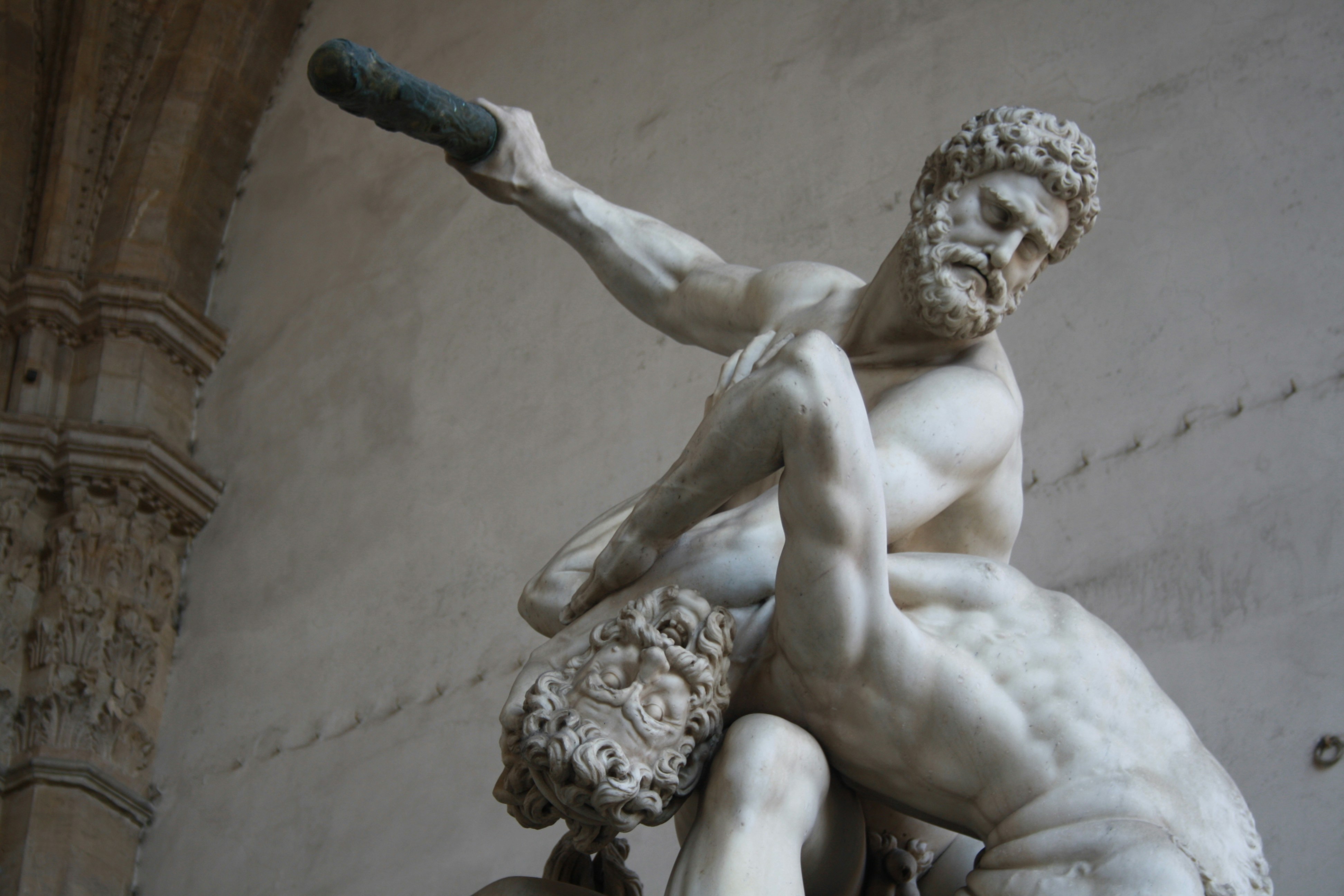
Who doesn’t love the story of David’s triumph over Goliath?
This past week, a group of “small” investors made tremendous amounts of money (on paper at least) by buying stocks that were heavily shorted by large, sophisticated hedge funds. We explore what happened, the factors that spurred the market disruption, the subsequent fallout still unfolding, and what it all means going forward.
What happened?
First, it’s important to understand three concepts: short selling, call options, and a short squeeze.
If an investor wants to profit from a stock declining in value, they can short the stock. While most investors understand buying stocks, shorting is more complex. Shorting involves selling a stock that you do not own.
So how do you sell something you don’t own? You borrow the stock through your brokerage firm and post collateral. The broker requires you to maintain sufficient funds to repurchase the stock at any time.
This is where the risk lies.
When you buy a stock, the most you can lose is what you invested (the value can go to zero). When you short a stock, losses are theoretically unlimited. If the stock rises sharply, you must buy it back at whatever price it trades.
Because of this asymmetric risk, regulators impose stricter requirements on short sellers regarding net worth, margin, and experience. As a result, short selling is uncommon among individual investors.
The setup: David vs. Goliath
In this case, “Goliaths” (hedge funds) were heavily short stocks such as GameStop, BlackBerry, AMC, and Bed Bath & Beyond, believing their business models were weak and their prices would fall.
Enter “David” — not a single investor, but a coordinated group of retail traders using Reddit’s WallStreetBets forum to encourage collective buying of these heavily shorted names.
With relatively small amounts of capital, these traders created large price moves due to their sheer numbers and the use of call options, which provide leveraged exposure to stocks.
The result was a classic short squeeze: rising prices forced short sellers to buy shares to cover positions, pushing prices even higher and accelerating losses for hedge funds.
For example, GameStop (GME) closed 2020 at $18.85 and reached an intraday high of $483 — an increase of approximately 2,500%.
Initially, hedge funds attempted to maintain positions by raising capital or selling other assets. But as prices surged, several were forced to capitulate and buy back shares at extreme losses.
Even Goliath has limits.
A perfect storm set the stage
Several factors contributed to the market disruption:
Robinhood and zero-commission trading
Trading platforms like Robinhood made investing free, fast, and mobile-first. Lower barriers to entry and relaxed requirements increased retail participation significantly.
Retail trading rose from roughly 15% to 20% of total market activity, and retail options volume now exceeds institutional volume.
Changes in SEC rules
Regulatory changes increased transparency and access to short interest data, helping retail traders identify heavily shorted stocks.
Social boredom
With limited access to sports, casinos, and live entertainment, speculative trading became a substitute form of engagement for some participants.
Social media coordination
WallStreetBets grew rapidly during the pandemic, expanding from 2 million to over 6 million users. This amplified coordination and momentum.
Populist sentiment toward Wall Street
Post-financial crisis resentment toward hedge funds and financial institutions contributed to a “fight back” mentality among some retail traders.
Call option feedback loop
Call options allowed traders to control large positions with small capital. As options were purchased, market makers hedging their exposure were forced to buy underlying shares, further driving prices upward in a reinforcing loop.
Easy money environment
Low interest rates increased risk appetite and speculation. As noted historically, periods of abundant liquidity often contribute to asset bubbles.
The fallout
Robinhood restricted trading in highly volatile names and subsequently raised capital. Total trading volume during the peak exceeded any market disruption in the last 20 years, including the dot-com crash and the 2008 financial crisis.
Clearinghouses reportedly required Robinhood to post approximately $3 billion in additional capital to meet settlement requirements.
Hedge funds such as Melvin Capital reportedly suffered losses exceeding 50%, with forced liquidations affecting broader market positions.
Some retail traders realized extraordinary gains, with reports of individuals paying off student loans and mortgages. However, many remaining holders of inflated stock prices are exposed to potential losses.
What does it all mean?
Short selling, while controversial, plays an important role in financial markets by helping allocate capital away from weak business models toward stronger ones.
The episode also highlighted structural issues:
- Payment for order flow and potential conflicts of interest
- Market fragmentation and execution quality concerns
- The influence of social media-driven trading behavior
- The role of leverage and options in accelerating price moves
Regulatory responses may include:
- Higher margin requirements
- Restrictions on options trading
- Faster settlement cycles
- Increased scrutiny of order flow practices
Can this happen again?
Yes.
Market manias have occurred throughout history and continue to do so despite regulatory oversight. While the specific catalyst may change, the combination of leverage, liquidity, and crowd behavior remains a recurring pattern.
In an environment of easy money and low rates, speculative behavior becomes more attractive, and asset inflation becomes more likely.
As always: caveat emptor — let the buyer beware.

